NO Is a Complete Sentence
Scripts for Staying Safe, Sovereign, and Classy at the Milonga
Let’s say this clearly:
You do not owe anyone a dance.
Not your time. Not your body. Not your politeness.
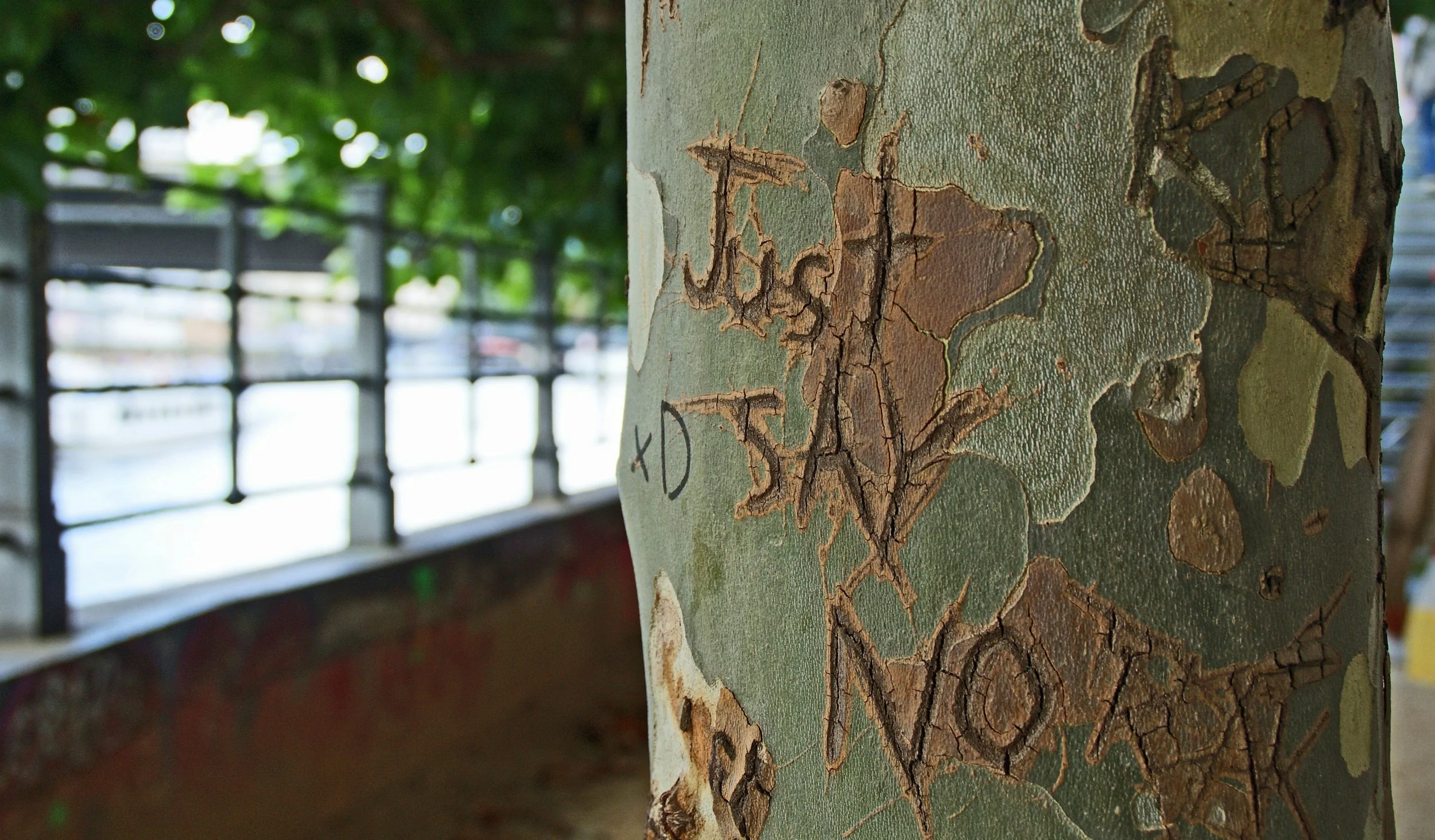
And no—in tango and in life—is a complete sentence.
Milonga etiquette exists for a reason.
Not to make tango stiff or elitist.
But to protect consent, dignity, and safety—and to keep tango elegant instead of awkward.
And yet… things happen.
So here are real-life scripts you can use when situations feel uncomfortable, unclear, or just plain off. And the thing I find is that sometimes we are out of our bodies and in our heads trying to rationalize a situation. BREATHE. Place your hand over your heart, close your eyes and ask yourself how you feel in the situation. And again, IF the answer is uncomfortable, unclear, feeling off - then it is….
You don’t need to explain.
You don’t need to soften.
You don’t need to smile.
1. Someone holds you through songs you don’t want to dance or through the break in between songs or cortinas… whatever….
(Or tightens the embrace when you’re pulling away.)
Body first:
Gently step back.
Create space with your embrace.
Words (choose one):
“I’m going to sit this one out.”
“I need a pause, thank you.”
“I’m done for now.”
If needed (calm, grounded):
“Please release me.”
That’s it. No apology required. AND remember in tango “THANK YOU” means we’re done and you walk off the floor.
2. Someone asks verbally: “Wanna dance?”
(No cabeceo, no attempt at a cabaceo.)
You can simply say:
“No, thank you.”
If they persist or push:
“I said no.”
Polite does not mean available.
3. Someone holds their hand out and expects you to take it
(An unspoken demand disguised as an invitation.)
Options:
Make eye contact, shake your head gently.
Or say: “No, thank you.”
If you want to be extra clear:
“I prefer cabeceo.”
You’re not rude for expecting etiquette.
You’re raising their awareness that they skipped a step.
4. Someone corners you socially or comes directly to your table
Try:
“I’m resting.”
“Not now.”
“No”.
If needed:
“Please give me space.”
Your table is not an audition line.
5. Someone reacts poorly to your NO
This is important:
Their reaction is not your responsibility.
You can repeat, calmly:
“No.”
“I’m not interested.”
And then disengage. Walk away. Sit near others. Find the host. This is important. Please advise your hosts of the milonga if there is ever inappropriate or uncomfortable behavior.
Why Etiquette Matters
Milonga etiquette isn’t about rules for rules’ sake.
It’s about clarity.
It’s about choice without pressure.
It’s about allowing desire to be mutual—or not at all.
Cabeceo protects everyone.
Clear endings protect everyone.
Respectful distance protects everyone.
And when those systems break down, your voice and your boundaries matter more than being nice.
A Reminder
You can love tango and say no.
You can be kind and be firm.
You can be elegant and unapologetic.
Your NO keeps tango honest.
Your NO keeps tango classy.
Your NO helps keep the milonga safe.
🖤